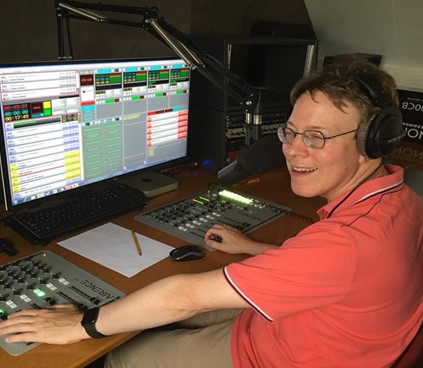
When I was in secondary school, a staff member started making radio shows for children with visual impairment. From that moment, I discovered my vocation: I wanted to work in radio.
After many unsuccessful attempts at our national broadcast stations, I found a volunteer job at the local radio and television station as an audio engineer – I was in charge of making sure that live broadcasts were heard on the radio.
After almost three years, I got the chance to go from being a volunteer to being paid at the same station, so I continued to work there for seven more years.
Getting inclusion on the air
In 2008, I reconnected with the staffer I’d worked with back at school. Together, we started a radio station for people who are blind and partially sighted: Radio509, which began broadcasting online on May 12, 2009. (The station’s name is a reference to being founded in the fifth month of 2009.) Our station made programs for 16 years until it stopped producing shows in 2025.
Pivoting to podcasts
Thanks to my work for Radio509, I got introduced to Audio Description (AD), a technique that allows blind and partially sighted people to be able to follow a TV show, movie or theater play. In other words, with AD, someone is explaining what’s happening on screen or on stage. Here in the Netherlands, we use AD through a smartphone app called Earcatch that enables us to follow what’s happening as we’re watching
Apart from my commitments in the domain of radio, I’ve been well aware of the increasing importance of podcasts in our current media landscape.
In 2011, I started my own company, Just 4 Audio, where I produce and edit podcasts, including the European Blind Union’s EBU in Action (available on Apple Podcasts, Podbean and Spotify). My company also offers audio description editing services.
Audio as a platform for authentic stories and inclusion
As I said before, creating and editing audio has been my passion since I was a kid – and recently, a reflection on my personal and professional lives led me to co-found Oog.fm, a podcast-hosting service where Dutch-speaking creators with visual impairment will be able to host and publish their podcasts. (“Oog” means “eye” in Dutch.)
Giving our communities a space where they can share their stories is part of one of my dearest wishes: raising awareness of the daily challenges of our communities so we can create a more inclusive future.
About the author
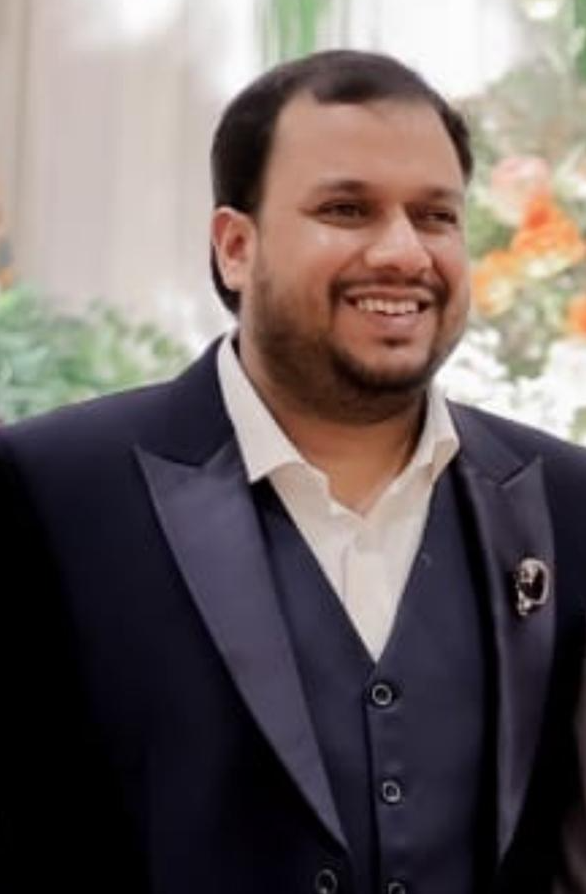
Emiel Cornelisse lives in the Netherlands and has a background in radio and audio editing. Since birth, he has been partially sighted and has a form of cerebral palsy that makes walking long distances challenging.
In addition to producing and editing a number of podcasts and other media, Emiel currently serves as the Sound Master for European Blind Union.